
The Shift: From “Are You Using AI?” to “Where’s the Return?”
For the past couple of years, the pressure on technology leaders was simple: adopt AI somewhere, anywhere, before competitors do. New research circulating this week from IT staffing analysts shows that pressure has fundamentally changed shape. CIOs now report that proving measurable return on AI investment — not cybersecurity, not infrastructure — has become their top priority for the first time. At the same time, the gap between what business leaders expect from AI and what IT teams can realistically deliver is widening.
This isn’t just a large-enterprise story. It trickles down fast to small and mid-sized businesses, because every “AI feature” a customer sees on a big brand’s website resets expectations for every website they visit next — including yours.
What “AI ROI Pressure” Looks Like for a Small Business Website
You probably aren’t deploying internal AI models. But your customers are increasingly interacting with AI before they ever reach your site — AI search assistants, AI shopping comparisons, AI-generated summaries of your services. Cloudflare data has shown a significant share of web traffic now comes from AI crawlers and bots rather than humans, which changes how content needs to be structured to even get noticed.
Practically, this means three things for your website in 2026:
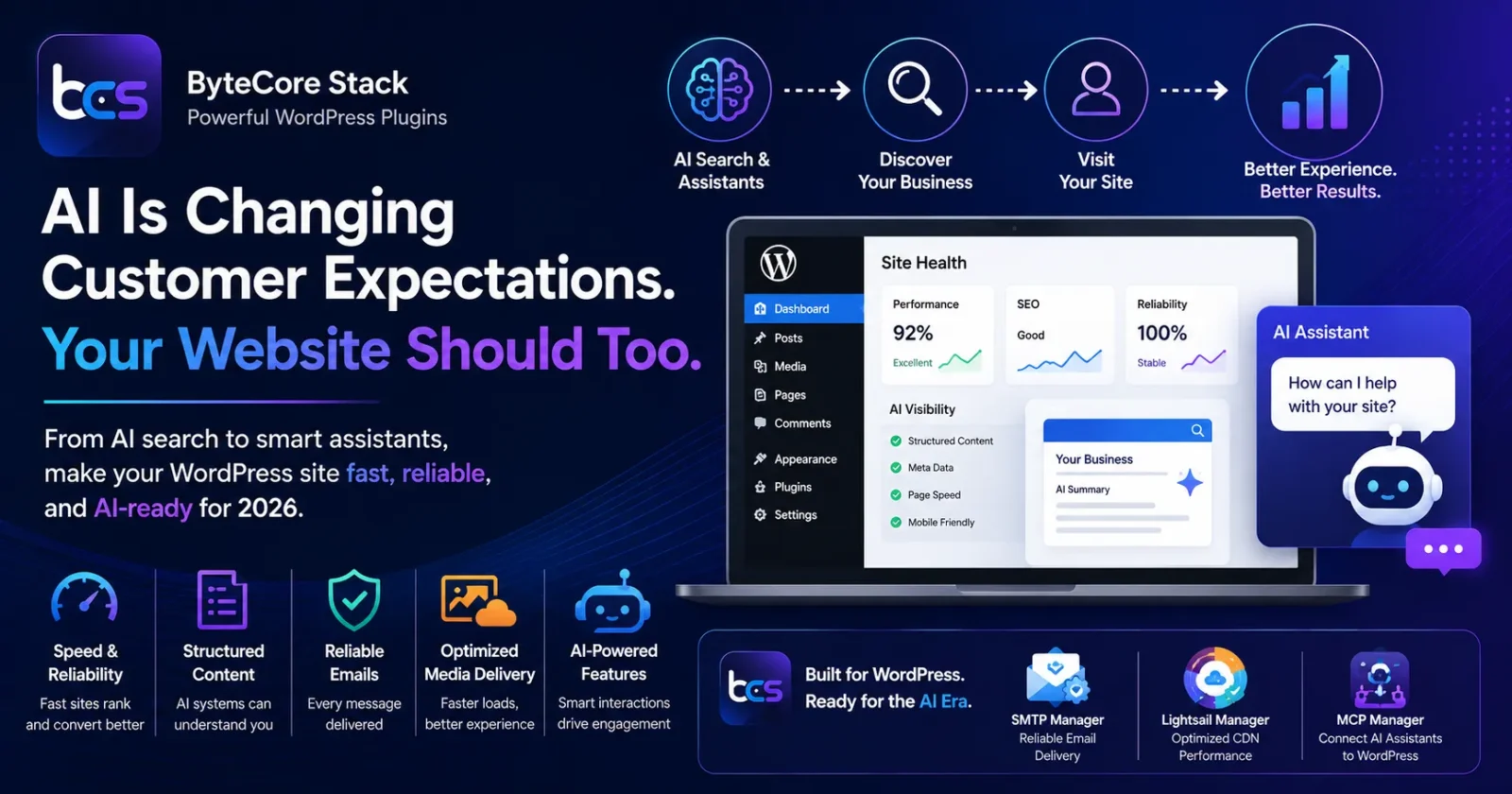
- Structured, well-organized content matters more, not less. AI systems summarizing your business need clean headings, clear service descriptions, and accurate metadata to represent you correctly.
- Speed and reliability are non-negotiable. A slow site doesn’t just lose human visitors — it gets deprioritized by automated crawlers too.
- “AI-powered” features are becoming a buyer expectation — smart search, chatbots, automated form responses — even for modest business sites.
You Don’t Need a Big AI Budget — You Need the Right Plumbing
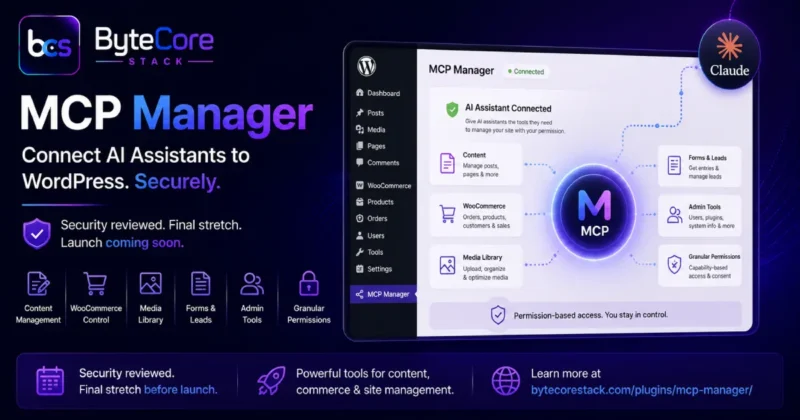
Most small businesses don’t need to build their own AI models. What they need is a website built so that AI tools (and search engines) can read it cleanly, and a handful of practical automations that save time. On the WordPress side, this is exactly the gap our MCP Manager plugin addresses — it lets AI assistants like Claude securely connect to and manage your WordPress site through a standard protocol, instead of clunky one-off integrations. Read more in our deep dive on MCP Manager.
Combined with reliable email infrastructure (see our SMTP plugin comparison) and properly configured media delivery (Lightsail CDN management), the “boring” technical foundation is what actually determines whether AI-era features work reliably.
Where to Start
If you’re a business owner wondering whether your website is “AI-ready,” the honest answer for most sites is: probably not yet, but it’s a fixable gap, not a rebuild. It usually starts with a content and technical audit — checking how your pages are structured, how fast they load, and whether your forms and emails actually work end-to-end. If you’re also reconsidering your platform entirely, see our guide on choosing between WordPress, Shopify, Magento, or custom development.
If you’d like that audit done on your site — whether it’s WordPress, Shopify, or something custom — reach out to our team. We’ll tell you plainly what’s worth fixing now versus later.